

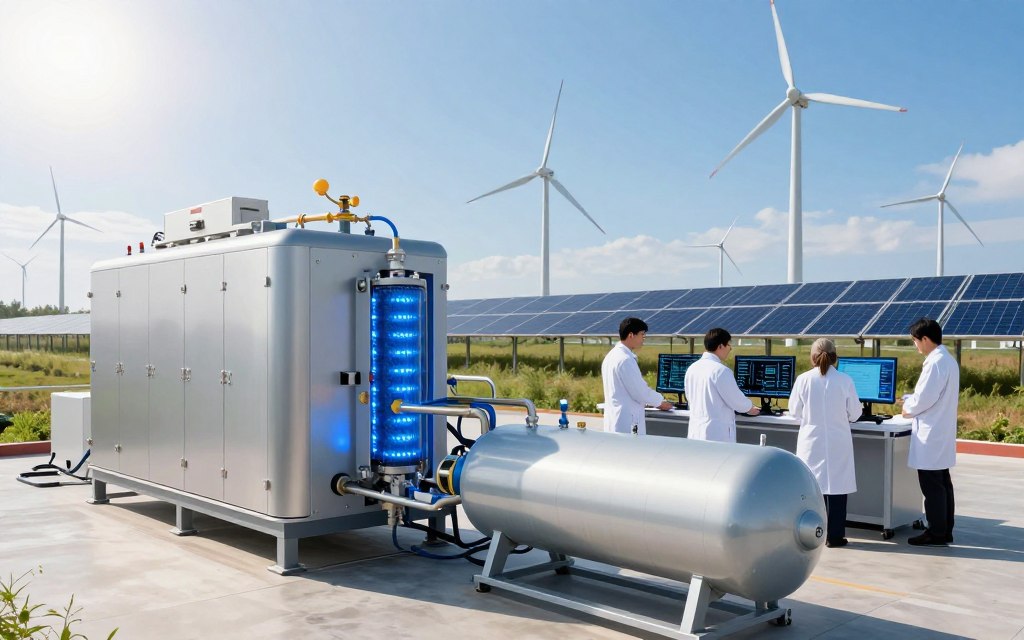
Hydrogen energy is gaining attention as a possible path toward a sustainable future. This clean energy carrier can reduce greenhouse gas emissions when made through low-emission methods. Hydrogen must be produced through electrolysis, which uses renewable electricity, or from natural gas and biomass.
Energy companies, manufacturers, and policymakers are exploring this clean energy technology and hydrogen’s potential. Renewable sources can produce hydrogen that supports ambitious clean energy goals and a greener economy. However, cost, infrastructure, and safety issues must be solved to realize its full benefits.
What is hydrogen technology? It includes hydrogen production, fuel cells, transportation, and industrial applications. This article also discusses the needed infrastructure, federal incentives, and the path toward net-zero emissions. The hydrogen economy fits within a broader framework of renewables and energy efficiency, helping explain hydrogen’s future role.
Key Takeaways
- Hydrogen serves as an energy carrier, requiring production before use.
- Low-emission production methods can help achieve clean energy goals.
- Hydrogen has potential in various sectors, including transportation and industry.
- Challenges include cost, infrastructure, and safety considerations.
- Hydrogen plays a role in a comprehensive clean energy system.
1. What Is Hydrogen Technology and Why It Matters for Clean Energy
Hydrogen technology covers processes and equipment for making, conditioning, storing, moving, and using hydrogen. It supports the shift to clean energy systems.
Electrolysis and reforming can make hydrogen from sources such as water and natural gas. Compression units, liquefaction equipment, and pipelines help handle hydrogen effectively.
Hydrogen’s flexibility helps connect sectors that are hard to electrify directly. Wind and solar can make electricity, which can then become hydrogen.
Stored hydrogen can later power heavy industries, long-distance transportation, and backup power solutions. Hydrogen also supports chemical manufacturing, showing its wide use in modern energy systems.
1.1 Defining Hydrogen Technology in Modern Energy Systems
Hydrogen technology improves energy efficiency and helps reduce greenhouse gas emissions. It supports low-carbon hydrogen, which is vital for a sustainable energy future.
Hydrogen’s role includes the full life cycle of hydrogen energy systems, from production to use. Its climate benefits depend on total life-cycle emissions, not only water from fuel cells.
Related Posts:




1.2 The Strategic Importance of Hydrogen for U.S. Energy Independence
Hydrogen production is strategically important, especially for U.S. energy independence. Domestic hydrogen production can help the United States rely less on imported fuels.
This change strengthens national security, supports domestic manufacturing, and creates skilled energy jobs. A strong hydrogen infrastructure also improves resilience during disruptions and diversifies the energy portfolio.
Hydrogen can improve energy security, but true energy independence needs reliable infrastructure, competitive costs, and responsible sourcing. As the U.S. invests in hydrogen technology, a sustainable energy future becomes more attainable.
2. The Science Behind Hydrogen as an Energy Carrier
Hydrogen properties make it a vital part of future energy systems. As the lightest element, it is highly combustible and releases much energy when reacting with oxygen. That reaction mainly produces water, making hydrogen an attractive energy carrier for clean energy solutions.
Earth rarely contains large amounts of free hydrogen gas. Instead, producers extract it from compounds such as water or hydrocarbons. This extraction is crucial for using hydrogen as an energy carrier.
Hydrogen’s Unique Physical and Chemical Properties
Hydrogen has low molecular weight and high energy content. Its gravimetric energy density exceeds that of traditional fuels, including gasoline and diesel. Hydrogen provides about 120 MJ/kg, while gasoline offers around 44 MJ/kg.
This high hydrogen energy density suits applications requiring substantial energy output.
Energy Density Compared to Fossil Fuels and Batteries
Despite this benefit, hydrogen’s low volumetric energy density creates engineering challenges. Transport and hydrogen storage usually require high-pressure compression, cryogenic liquefaction, or carriers like ammonia. This complexity can reduce efficiency compared with batteries, which receive electricity directly for immediate use.
In many short-distance applications, batteries are often more efficient because they provide instant power. Hydrogen excels when weight, refueling time, and long operating ranges matter. It offers a compelling alternative for industries needing high-temperature industrial heat or seasonal energy storage.
| Energy Source | Gravimetric Energy Density (MJ/kg) | Volumetric Energy Density (MJ/L) |
|---|---|---|
| Hydrogen | 120 | 10 |
| Gasoline | 44 | 32 |
| Lithium-ion Battery | 0.25 | 0.9 |
Hydrogen is not a universal replacement for batteries or fossil fuels. Still, its unique properties and potential uses make it valuable in the quest for sustainable energy solutions.
3. Types of Hydrogen: Green, Blue, and Gray Explained
Each hydrogen type has a different production process and role in clean energy and sustainability. These categories show how each type supports the shift toward a cleaner energy future.
Green Hydrogen Produced from Renewable Electricity
Green hydrogen is renewable hydrogen made by electrolysis, which splits water into hydrogen and oxygen. It uses renewable electricity from wind, solar, or hydropower and produces no carbon emissions.
Electrolyzers can use proton exchange membrane or alkaline systems, and both are essential to this process. The climate benefits of green hydrogen depend on the electricity source and equipment efficiency.
Blue Hydrogen with Carbon Capture and Storage
Blue hydrogen is made from natural gas through steam methane reforming or autothermal reforming. A key advantage is its use of carbon capture and storage (CCS) technology. CCS aims to capture carbon dioxide from hydrogen production and reduce its total carbon footprint.
However, blue hydrogen’s impact depends on methane leaks, capture rates, and carbon transport and storage methods.
Gray, Brown, and Pink Hydrogen Variants
Gray hydrogen comes from natural gas without carbon capture, so it creates higher emissions. Brown and black hydrogen come from coal and create significant carbon emissions. Pink hydrogen uses nuclear energy and offers a low-carbon alternative.
Turquoise hydrogen uses methane pyrolysis and may offer a cleaner production pathway. Buyers and regulators should assess carbon intensity, methane emissions, and water use instead of relying only on color names.
4. How Hydrogen Fuel Cells Generate Electricity
Hydrogen fuel cells are a revolutionary clean-energy technology that makes electricity through an electrochemical reaction, not traditional combustion. At the anode, hydrogen molecules split into protons and electrons. Electrons flow through an external circuit, creating fuel cell electricity, while protons cross an electrolyte to the cathode.
At the cathode, protons reunite with electrons and oxygen, producing water and heat as byproducts.
The Basic Chemistry of Fuel Cell Operation
Understanding fuel cell chemistry is essential. The fuel cell runs in a continuous cycle, receiving hydrogen and oxygen to keep producing electricity.
This clean process releases only water vapor, making it an environmentally friendly alternative to fossil fuels. As energy demands grow, hydrogen fuel cells become more important for efficient, sustainable power.
Proton Exchange Membrane (PEM) Fuel Cells
PEM fuel cells lead many applications, especially vehicles requiring quick startup and compact design. The membrane plays a crucial role by letting protons pass while blocking electrons, which travel through an external circuit.
The catalyst layers, bipolar plates, humidification systems, and thermal management equipment work together to optimize performance.
PEM Fuel Cell Applications in the United States
In the United States, PEM fuel cells support many uses, including:
- Fuel cell buses for public transportation
- Passenger vehicles from manufacturers like Toyota and Hyundai
- Forklifts in warehouses
- Backup power units for critical infrastructure
- Distributed generation systems for localized energy needs
- Telecommunications and remote facility power solutions
Solid Oxide and Alkaline Fuel Cell Technologies
Solid oxide fuel cells (SOFCs) operate at higher temperatures and offer high efficiency, especially in stationary applications. They can use hydrogen or other fuels, which makes them versatile.
Alkaline fuel cells have a long history in specialized applications. They use an alkaline electrolyte and often serve settings where their unique properties can be maximized.
Fuel cells generate direct current (DC) electricity, which can be conditioned for grid or building use. However, several factors influence commercial adoption: system costs, catalyst materials, hydrogen purity, durability, and the availability of fueling infrastructure. As the market evolves, hydrogen fuel cells may contribute significantly to the energy landscape.
5. Current Applications of Hydrogen Technology in the United States
Across the United States, hydrogen technology is becoming important for energy generation, heating, and distributed energy. It provides reliable electricity for critical facilities, including hospitals, data centers, and telecommunications sites. Hydrogen fuel cells help essential services operate during power outages.
One major use is stationary hydrogen power generation. Fuel cells can support hydrogen grid storage by turning excess renewable energy into hydrogen. Stored hydrogen can provide long-duration energy when solar and wind resources are low. Unlike lithium-ion batteries, it suits long storage rather than short storage and rapid response.
Hydrogen technology is also being explored for residential and commercial heating solutions. It can provide high-temperature heat for industrial processes. However, residential hydrogen heating needs careful study, and direct electric heat pumps often work more efficiently.
Blending hydrogen into existing natural gas networks is possible, but appliance compatibility and pipeline materials create challenges. Assessing these factors helps ensure safety and efficiency in hydrogen heating applications.
| Application | Description | Benefits |
|---|---|---|
| Stationary Power Generation | Using hydrogen fuel cells for reliable electricity supply. | High reliability, low emissions. |
| Grid Storage | Storing excess renewable energy as hydrogen. | Long-duration energy storage capability. |
| Residential Heating | Potential use of hydrogen in heating systems. | Reduction in fossil fuel dependency. |
6. Hydrogen in Transportation: Cars, Trucks, and Aviation
Hydrogen is becoming important to transportation’s future across many sectors. It can provide clean energy and change vehicles, freight, and air travel.
Hydrogen Fuel Cell Vehicles from Toyota, Hyundai, and Honda
Toyota, Hyundai, and Honda lead the development of hydrogen fuel cell vehicles (FCVs). The Toyota Mirai and Hyundai Nexo use proton exchange membrane (PEM) fuel cells to convert hydrogen into electricity. This technology provides electric driving, fast refueling, and an impressive driving range.
Several factors still limit market growth. Few public hydrogen stations reduce regional availability. High vehicle costs, changing hydrogen prices, and battery-electric competition create more challenges.
Heavy-Duty Trucks and Long-Haul Freight Applications
Hydrogen technology shows strong promise for heavy-duty trucks. Fuel cell systems can cut refueling downtime, making hydrogen trucks useful for long-haul freight. These trucks avoid large battery packs, which can burden extended routes.
Fleet depots and dedicated freight corridors are vital for successful hydrogen truck use. High-use vehicles need reliable fueling infrastructure to keep operations efficient and cost-effective.
Aviation and Maritime Industry Developments
Hydrogen aviation may create new opportunities for air travel. Modified aircraft engines could burn hydrogen, or hydrogen could become synthetic aviation fuel. Challenges include storage volume, safety, and needed airport infrastructure upgrades.
Maritime hydrogen and ammonia may serve specific routes or vessel types. They may help where battery range is insufficient. Choosing between hydrogen and battery-electric systems depends on route length, payload, turnaround time, infrastructure, regulations, and total operating costs.
| Sector | Hydrogen Application | Key Benefits |
|---|---|---|
| Passenger Vehicles | Fuel Cell Vehicles | Rapid refueling, long range |
| Heavy-Duty Trucks | Long-Haul Freight | Reduced downtime, no large batteries |
| Aviation | Modified Engines, Synthetic Fuels | Potential for cleaner air travel |
| Maritime | Hydrogen and Ammonia Fuels | Suitable for long routes |

For more information about hydrogen technology and its effects, visit this resource.
7. Industrial Uses: Steel, Ammonia, and Heavy Manufacturing
Hydrogen industrial applications could transform steel and ammonia production. As industries seek sustainability, hydrogen can cut carbon emissions and improve manufacturing processes.
Decarbonizing Steel Production with Green Hydrogen
Steelmaking is traditionally reliant on coal-derived coke, which serves as both fuel and a chemical reducing agent. However, green hydrogen can replace fossil fuels in direct iron reduction, creating a cleaner process. Hydrogen reacts with iron ore to make iron, which electric arc furnaces then turn into steel.
Implementing hydrogen-based steelmaking requires significant infrastructure investments, including:
- Affordable clean electricity sources
- Electrolyzer capacity for hydrogen production
- Hydrogen storage solutions
- Upgraded furnaces
- Reliable industrial infrastructure
Green Ammonia for Agricultural Fertilizers
Another major opportunity lies in producing green ammonia. Hydrogen combines with nitrogen to make ammonia, which is essential for fertilizers. This process reduces emissions and explores ammonia as an energy carrier and marine fuel.
To maximize its benefits, hydrogen for ammonia synthesis must come from renewable electricity. Challenges remain in energy needs for synthesis, transport, storage, and end-use applications.
Petroleum Refining and Chemical Processing
Hydrogen already supports petroleum refining through hydrocracking, desulfurization, and chemical production, including methanol. Using low-carbon hydrogen can greatly reduce emissions from these processes.
Still, evaluations must consider overall petroleum demand and facility economics when measuring hydrogen’s role in refining. Hydrogen is especially valuable for high-temperature processes and chemical reactions that are hard to electrify.
| Application | Current Process | Hydrogen Integration | Emissions Reduction Potential |
|---|---|---|---|
| Steel Production | Coal-based reduction | Hydrogen-based reduction | Up to 80% |
| Ammonia Production | Natural gas reforming | Renewable hydrogen synthesis | Up to 50% |
| Petroleum Refining | Conventional hydrogen use | Low-carbon hydrogen | Varies by facility |
In conclusion, hydrogen’s role in industrial applications is vital for achieving clean manufacturing goals. By improving efficiency and lowering carbon intensity, industries can adopt hydrogen technologies strategically and boost sustainability.
8. Challenges Facing Hydrogen Technology Adoption
Hydrogen technology has great potential, but several barriers slow its wide use. Understanding these hydrogen technology challenges can help stakeholders support the clean energy transition.
Production Costs and Economic Competitiveness
One major barrier is production costs. Green hydrogen depends on renewable electricity prices, which can fluctuate, plus electrolyzer costs, use rates, financing, and water supply. For blue hydrogen, natural gas prices and carbon capture performance affect its economic value.
Hydrogen must also compete with batteries, direct electrification, and biofuels. This requires comparing total system costs, not fuel prices alone. Investors and policymakers should assess the full hydrogen supply chain and its economic impact.
Storage, Transportation, and Distribution Infrastructure
Another major challenge is the hydrogen infrastructure needed for storage, transportation, and distribution. Because hydrogen molecules are small, they can leak, so strong materials and equipment are essential. High-pressure storage, liquefaction, and broad pipeline networks are crucial.
Truck transport, port facilities, and fueling stations must also support hydrogen distribution. Without this hydrogen infrastructure, expanding the technology will be difficult.
Safety Concerns and Public Perception
Hydrogen safety is a major concern. Hydrogen burns easily and spreads quickly, but proven safety rules can manage these risks. Engineering controls, sensors, and ventilation systems can reduce possible hazards.
Public opinion also shapes hydrogen technology adoption. Clear safety standards, emergency plans, and community outreach can build trust. Transparent environmental reporting can ease concerns and support reliable, responsible deployment.
Addressing these hydrogen technology challenges is vital for bringing hydrogen into the U.S. economy. Technical reliability, clear rules, and community involvement can help the U.S. economy unlock hydrogen’s full clean-energy potential.
9. U.S. Policy and Investment in Hydrogen Infrastructure
The U.S. government is investing in U.S. Department of Energy hydrogen infrastructure for a cleaner energy future. This support can lower costs, coordinate infrastructure, and create early demand for clean hydrogen technologies. Federal policy can spur innovation and strengthen hydrogen solutions.
One key effort is the Department of Energy’s Hydrogen Shot. This program aims to cut clean hydrogen costs by speeding innovation in production, delivery, storage, and end-use technologies. Ambitious targets can make hydrogen more available and affordable.
Another key strategy is the Regional Clean Hydrogen Hubs Program. It connects hydrogen producers, infrastructure developers, industrial users, utilities, and local communities. These clean hydrogen hubs can lower logistical barriers and show multiple hydrogen pathways near renewable resources, natural gas infrastructure, and industrial demand.
Furthermore, the Inflation Reduction Act offers the Inflation Reduction Act hydrogen tax credit to support growth. The hydrogen production tax credit under Section 45V supports projects meeting specific statutory requirements. Eligibility and credit value depend on emissions intensity, project design, and federal guidance, making it vital for clean hydrogen production.
These policies aim to spur private investment, domestic manufacturing, workforce development, and environmental justice. Government support matters, but it should not replace sound project economics. Permitting, interconnection, water resources, community participation, market demand, and changing regulations will shape hydrogen initiatives.
10. The Future Outlook: Hydrogen’s Role in Achieving Net-Zero
Reaching net-zero emissions will depend on advances in hydrogen technology. By 2050, hydrogen market growth is expected to accelerate. This growth can support 2050 clean energy goals.
Projected hydrogen market growth depends on regional hydrogen markets. These markets may form near renewable resources, industrial clusters, and major transportation corridors. This location can support efficient production and distribution, strengthening the hydrogen net-zero strategy.
Projected Market Growth Through 2050
As industries change, hydrogen will support sectors needing high-temperature heat and long-duration energy storage. The following table shows expected growth areas linked to hydrogen technology trends:
| Sector | Growth Potential | Key Drivers |
|---|---|---|
| Steel Production | High | Decarbonization efforts |
| Heavy Transportation | Moderate | Long-range capabilities |
| Backup Power | Increasing | Energy reliability needs |
Emerging Technologies and Innovation Pipelines
Electrolyzer innovation is critical for efficient hydrogen production. High-temperature electrolysis and methane pyrolysis may make hydrogen generation more sustainable. Better fuel cell durability and hydrogen storage systems will also support hydrogen technology trends.
Hydrogen’s future will depend on targeted use where it cuts emissions and adds system value. Batteries and electric grids may dominate passenger vehicles, but hydrogen will remain vital for industrial applications and long-distance transport.
For more information on hydrogen production and its uses, visit Hydrogen Production and Uses.
11. Conclusion
Understanding what is hydrogen technology is crucial as we move toward a hydrogen clean energy future. This technology covers production, storage, transportation, and fuel cells. Each part helps make hydrogen a flexible energy carrier.
Green hydrogen stands out as a key part of hydrogen decarbonization. When made with genuinely low-carbon electricity, it can greatly reduce emissions. Blue hydrogen and other pathways may fit some markets, but their environmental benefits depend on effective methane management and effective carbon capture technologies.
The most promising hydrogen applications include clean steel production, ammonia for fertilizers, and heavy-duty transportation solutions. These sectors can benefit greatly from hydrogen’s unique properties. However, production costs, infrastructure development, and public perception still need attention for widespread adoption.
Hydrogen may not replace every existing energy technology. It can become a critical part of sustainable energy systems, especially where direct electrification remains challenging. Integrating hydrogen into a broader U.S. clean energy strategy can create a more sustainable, resilient energy landscape.